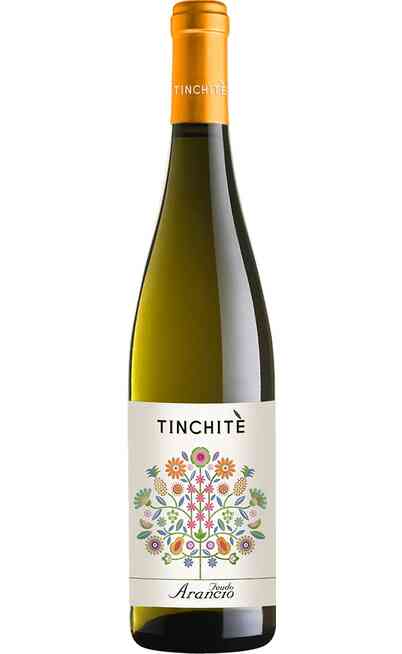
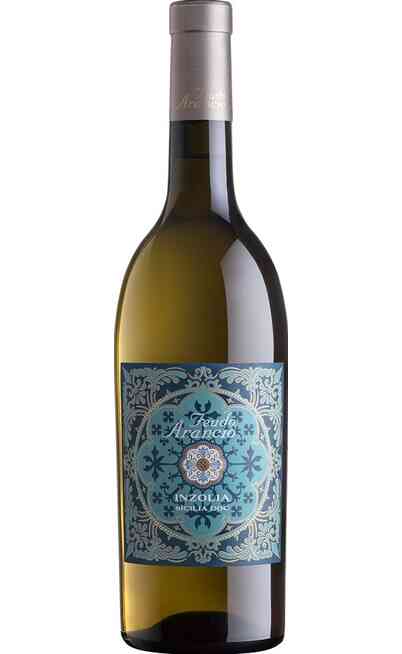
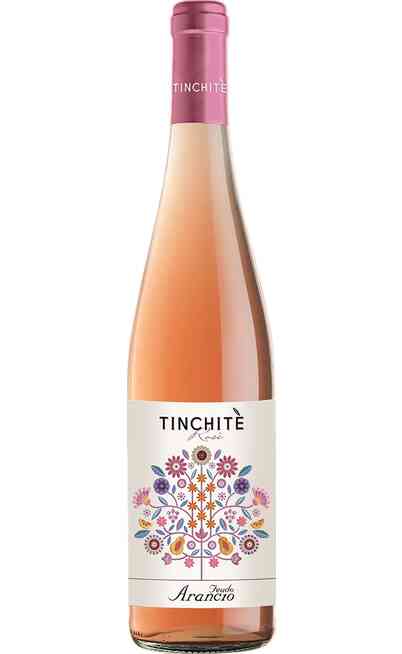
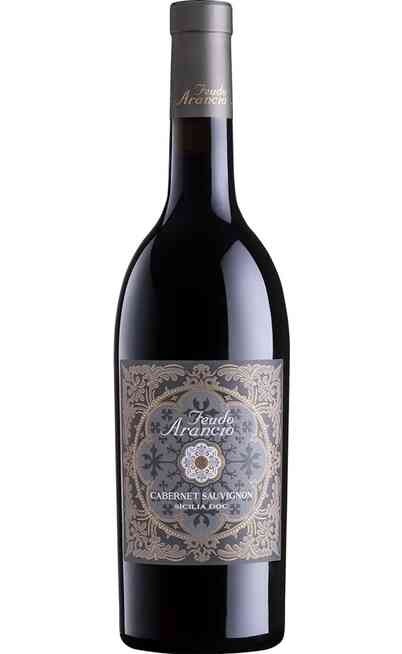
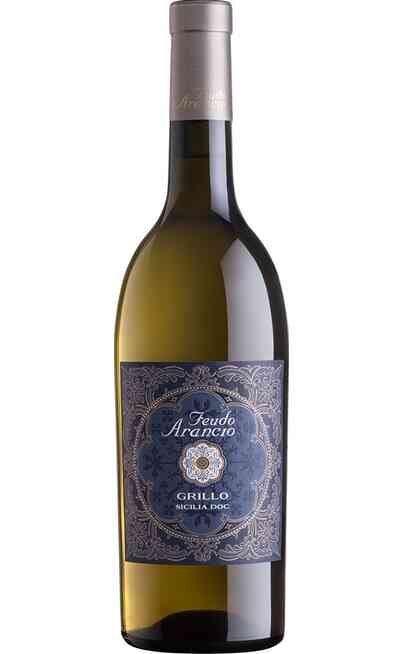
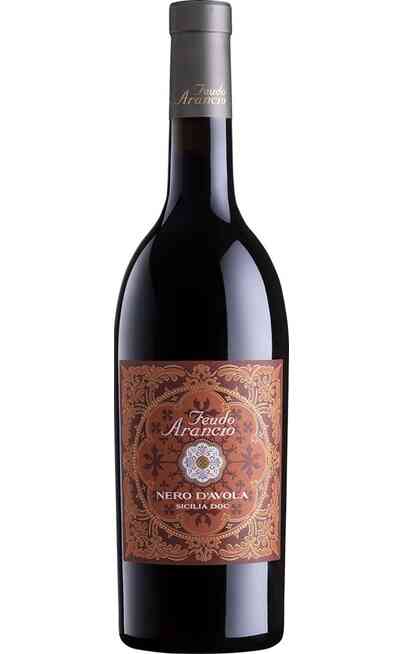
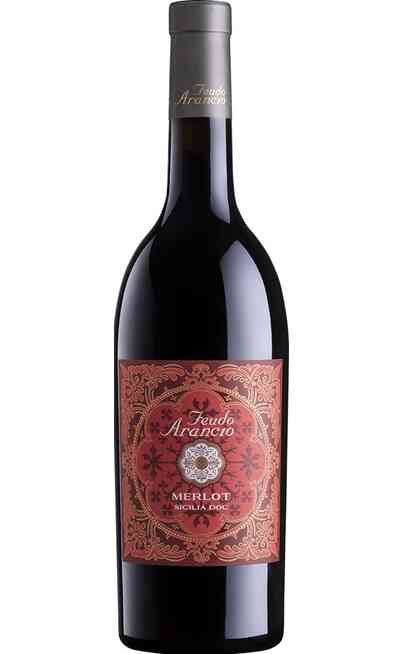
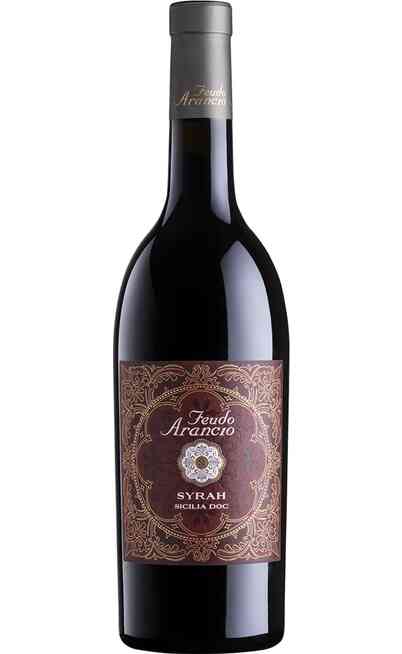
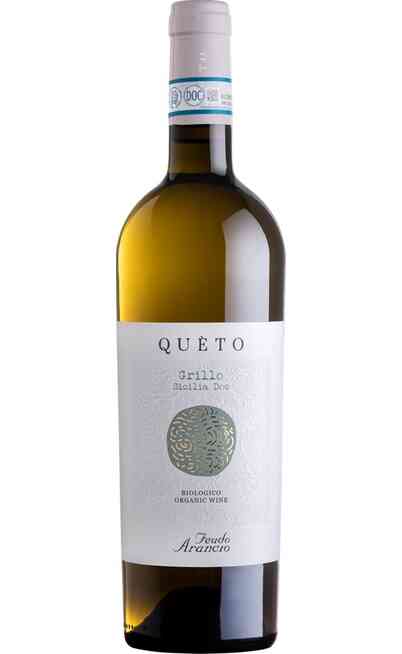
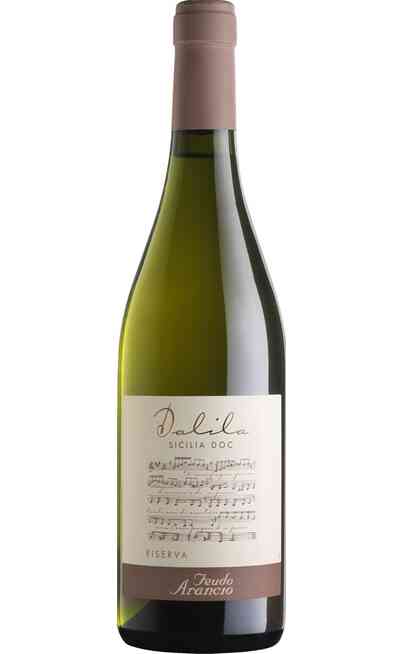
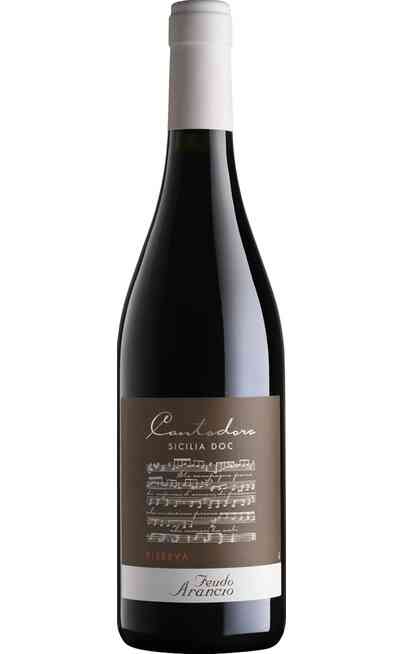
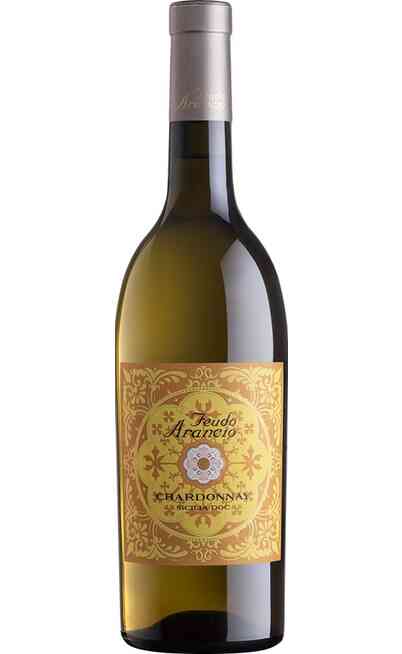
Feudo Arancio
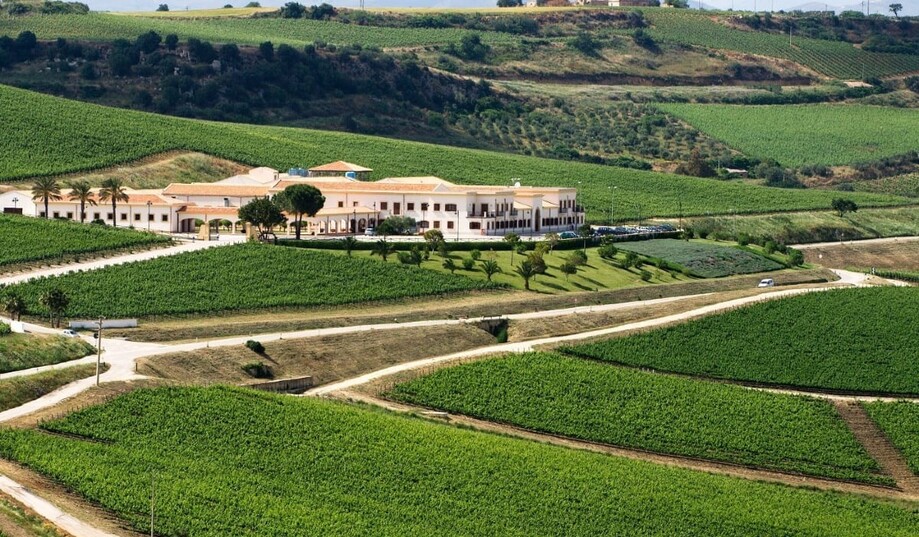
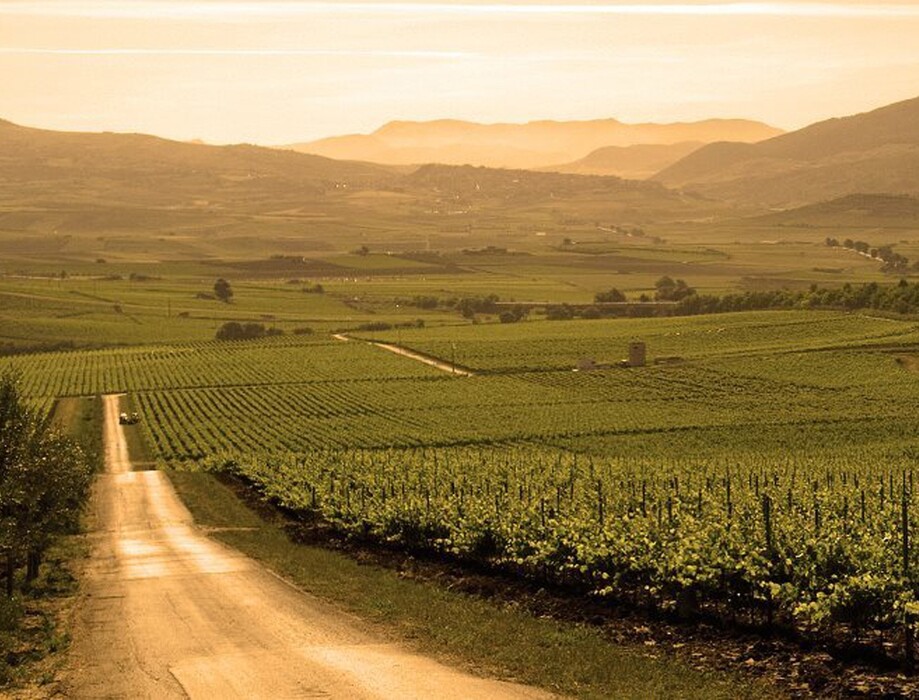
The Feudo Arancio winery was founded in the early 2000s in the heart of southwestern Sicily, with two main estates located in Sambuca di Sicilia (Agrigento) and Acate (Ragusa). The project comes to life with the aim of enhancing the island's wine-growing potential through a combination of local agricultural tradition and modern oenological technologies. The two estates extend over hundreds of hectares, in a context characterized by strong sun exposure, constant ventilation, and diverse soils that allow the cultivation of both native and international grape varieties. From the very beginning, Feudo Arancio stands out for a production approach oriented towards quality and sustainability. Vineyards are grown under modern but environmentally friendly systems, with a focus on water management, renewable energy use, and reducing environmental impact. The company is indeed recognized for a Europe-certified sustainable production model, integrating water-harvesting lakes, solar panels, and low-impact agronomic techniques. One of the winery's most important features is its strong connection to Sicily, which is interpreted not only as an agricultural territory but as a cultural identity. Each wine was born with the aim of telling the light, the scents and the colours of the island, enhancing both symbolic grape varieties such as Nero d'Avola and Grillo, and international varieties that find an original and Mediterranean expression here. From an architectural and production point of view, the cellar is structured according to the traditional Sicilian “baglio” model, reinterpreted however in a modern key. The facilities are equipped with advanced technologies for winemaking and aging, allowing for a combination of oenological precision and respect for the varietal characteristics of the grapes. In short, Feudo Arancio represents a young but already consolidated reality, which has built its identity on the balance between innovation and tradition. Its peculiarity lies precisely in its ability to interpret Sicily in a contemporary way, while maintaining a strong connection with the territory and its historical winemaking vocation.